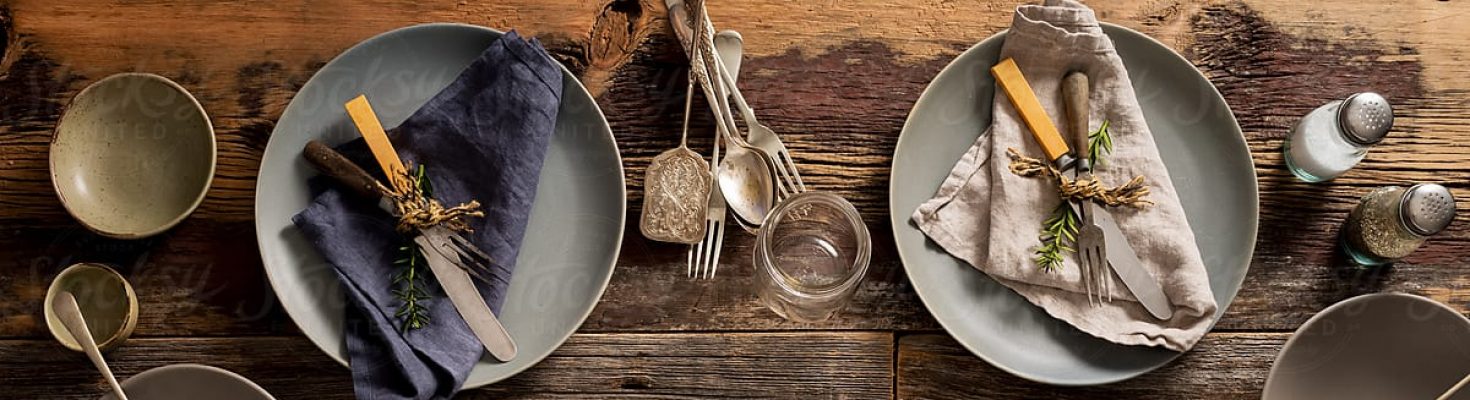
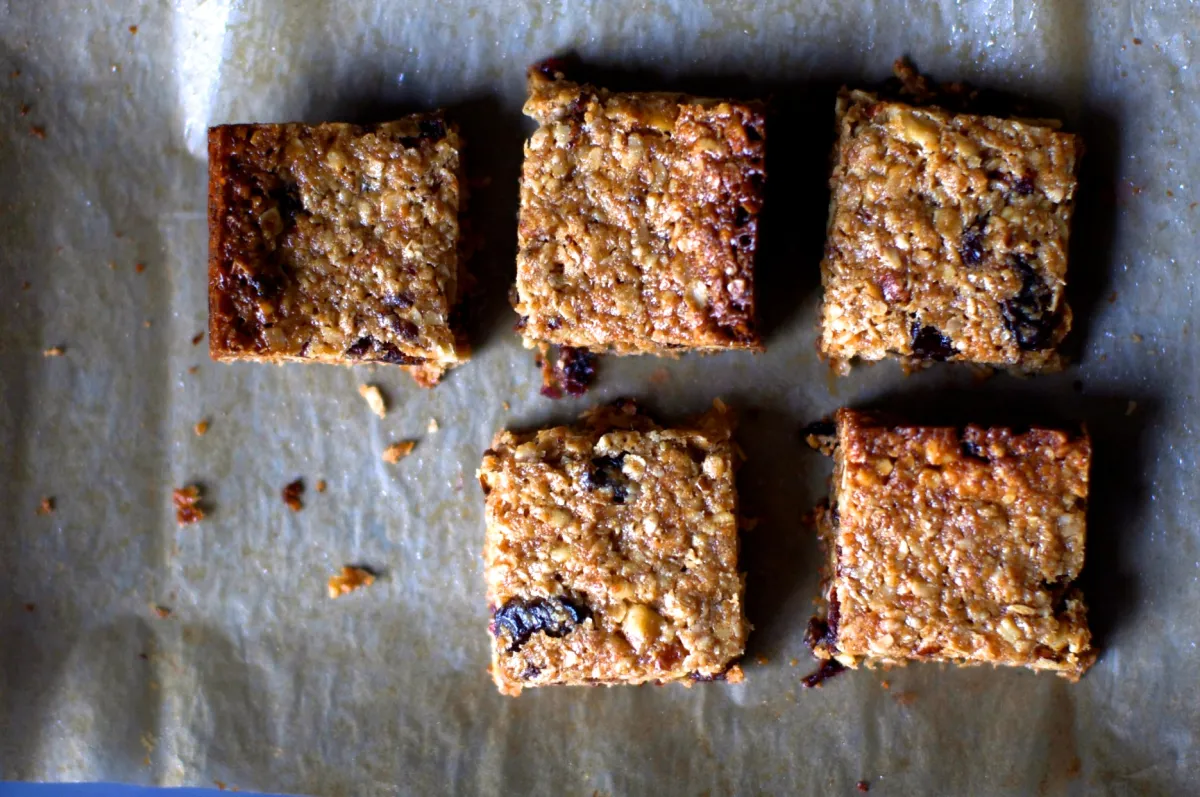
It’s Monday morning… and there’s nothing quite like starting the day on our Kalahari porch, coffee in hand, watching the first light stretch across the savannah. That first sip of freshly brewed coffee, paired with a crunchy rusk (like these!) or one of these go-to express breakfast bars (recipe on next page), is pure magic.
Be still and know (recognize, understand) that I am God. – Psalm 46:10
There’s something sacred about these quiet moments—the world slowing awakening, the soft glow of dawn, the gentle rhythm of nature unfolding without hurry. Be still and know that I am God. It’s a whisper in the wind, a reminder in the stillness to let go, to stop striving, to simply be. Let God be.
Too often, we rush from one thing to the next, filling every moment with busyness. But here, in the hush of a Kalahari morning, I am reminded that life isn’t about chasing—it’s about knowing, recognizing…understanding…
And so I sit, I breathe, and I embrace the stillness—fully present, fully at peace—knowing that in this moment, I am right where I’m meant to be. – Aldalene
Summer has finally graced the Kalahari with its arrival, bringing with it the first whispers of rain and that indescribable earthy scent that fills the air. After enduring what some reports have called the driest year in Namibia in a century, we’re all holding our breath, praying, and hoping for more rain. There’s an undeniable sense of anticipation in the air.
This expectant waiting for rain, got me reflecting on the role of hope in our lives. It’s easy to let hope become just a fleeting wish, something we cling to when times are tough. I’m reminded of a favourite scripture from 1 Peter 3:15: “Always be prepared to give an answer to everyone who asks you to give the reason for the hope that you have.” It’s a powerful reminder for me to examine whether my hope is something real and substantial or just wishful thinking.
Wishful thinking is when we choose to believe something will happen, despite little evidence to suggest it will actually happen, usually just to make ourselves feel better. I hope to lose 10 pounds. (That’s pretty common this time of year!)I hope my husband remembers our anniversary (this is wishful thinking!). These hopes, while valid, are grounded in our desires and often rely on chance or circumstances.
Hope is praying for rain, but faith is bringing an umbrella– Unknown
But for us, the evidence on which we can base our hope is God’s own character — demonstrated most clearly to us in Jesus Christ. We believe that God is good, faithful, and capable of fulfilling His promises. Our hope isn’t dependent on our circumstances (like a parched Kalahari savannah landscape) but on a firm conviction that God will remain true to His word. This hope is anchored in the assurance of who God is.
As we navigate this week, let’s anchor ourselves in this genuine hope. Let our lives reflect a deep-seated confidence in God’s promises. As Colossians 1:27 puts it, “Christ in you, the hope of glory.” May we live out this hope so visibly that others will be curious and ask us about it.
So today with summer blazing in the Kalahari and hope blossoming in my heart, I’m on the lookout for a cool dessert for the guests in my Kalahari kitchen. It has to be ice cream- my absolute favourite dessert, no matter the flavour, season, or time of day. I keep the hope of a delicious scoop in my freezer at all times! I reach for the dark chocolate in my pantry (my other guilty pleasure) and decide to make a chocolate ice cream that melts luxuriously on your tongue. Two kinds of chocolate and real cream make this the best and easiest chocolate ice cream you can make at home. It will fill you with hope!
It’s as if summer has a knack for sneaking up on you in the Kalahari. One moment, you’re still savouring the last remainder of a chilly, dry season, and the next, the savannah desert transforms overnight into a blazing expanse of warmth.
I’ve called Namibia home for over twenty years, and every year without fail, I find myself caught off guard by the sudden shift in seasons. It’s a curious phenomenon—an abrupt change that defies all predictions… and with it comes an almost palpable expectation in the air.
It’s as if the Kalahari is holding its breath, waiting for the sky to break and release the rains that will bring change and renewal. The sense of anticipation is powerful. Summer has arrived, not with a gradual build-up but with a decisive, unwavering presence that is both startling and exhilarating.
Isaiah 43:19 (NIV) “See, I am doing a new thing! Now it springs up; do you not perceive it? I am making a way in the wilderness and streams in the wasteland.”
There is also a shift in my Kalahari kitchen. Gone are the hearty, warming dishes of the cooler months. In their place, I find myself reaching for lighter, refreshing options that can help beat the heat. I make room for fresh produce, the winter menu transforming into a celebration of vibrant flavours and textures, reflecting the season’s promise of renewal and lightness.
The transition to lighter, fresher dishes lets us savor the simple pleasures of the season. Labneh, with its rich, creamy texture, pairs beautifully with the juicy, roasted tomatoes that are now in abundance. Together, they create a dish that’s both refreshing and satisfying. It has become my new go-to appetizer or snack when Janneman and I relax under the camelthorn trees, watching the sun set in the west. Paired with a slice of crusty bread or toasted pitas, this combination offers the perfect balance of flavours and textures—ideal for a summer snack or light meal.
What is labneh?
Labneh is a soft cheese made by straining yogurt, allowing all the whey to separate and leaving soft curds behind. The longer you allow the yogurt to strain, the firmer your labneh will be. For this recipe I wanted to have a smooth, spreadable consistency so I didn’t leave the yogurt to strain for too long but you could leave it overnight in the fridge if you wanted a more cream cheese-like consistency.
How to eat labneh
I love serving it this way, topped with tomatoes and served with crusty bread or pita bread as a simple appetizer.
However, it can be used in the same way you would use cream cheese or soft goat’s cheese. As a dip for vegetables, spread on sandwiches. You could also serve it with fresh honey and fruit for a delicious breakfast (just leave out the pepper). The characteristics of this labneh recipe with confit tomatoes are so compelling that you’ll find yourself making it repeatedly. Enjoy this easy labneh recipe and embrace the vibrant flavours of summer and make each dish uniquely yours!
Memories and stories are made in the kitchen. – Unknown
Winter has settled over the Kalahari, bringing with it chilly days and long, quiet nights that I’ve come to cherish. There’s something about this season that encourages me to slow down—to immerse myself in books, indulge in the art of slow cooking, and reflect on this new chapter of my life as an empty nester and full time farm wife.
Recently, I stumbled upon an intriguing concept: the “signature story.” What exactly does that mean? Essentially, it’s a narrative drawn from our personal and professional experiences, a story that encapsulates who we are and what we stand for. It’s a tale that sets us apart, resonating deeply with others when shared thoughtfully.
As I ponder this idea, I find myself asking: What story defines my life? Which pivotal moments have shaped the person I am today and influence the path I’m walking, even (and especially now) here in the Kalahari? Our personal narratives hold immense power—they shape our identity, influence our decisions, and ultimately determine our legacy.
Here, in the serene solitude of our farm in the Kalahari, I realize I have a story to tell—a story I’m determined to live fully and leave behind as my legacy. Every one of us possesses a unique voice, a tale that only we can tell. As I check on my simmering ragu in my Kalahari kitchen, I’m reminded of the significance of my story and grateful for knowing the Author of my life’s journey.
After all, as the Psalmist beautifully expressed, each day of our lives is written even before one comes to be.
All the days ordained for me were written in Your book before one of them came to be.-Psalm 139:16
Winter Warmth: Venison Ragu Served with Pasta
Ragu is one of those recipes that really showcases the beauty of Italian cooking – everyday ingredients, fast preparation, leave it to cook long and slow and you end up with a delectable dish that tastes absolutely luxurious. Ragu is a broad term that describes a rich, slowly cooked Italian meat sauce. It’s hearty, intensely flavourful, & always all about the meat. This recipe makes enough sauce to serve 8 and freezes great.
Ragu Meat Sauce
Ingredients
1.2kg of slow cooking beef (I use kudu or gemsbuck), cut into 4–6 large piece
3 tablespoons olive oil, divided
3 large carrots, peeled as desired & diced
1 stalk celery, finely diced
1 large yellow onion, finely diced
8 cloves garlic, finely chopped or grated
1 cup of tomato paste (or use a tin of tomato puree)
500g pappardelle (or pasta of choice) or gnocchi ½ cup heavy cream ½ cup grated parmesan for serving, as desired: grated parmesan, finely chopped fresh basil or parsley, crushed red pepper flakes, etc.
Instructions
Brown the meat: Add 2 tablespoons of the olive oil to a large, heavy-bottomed pot (I use a 5-qt Dutch oven) over medium-high heat. Use paper towel to pat the surface of the beef as dry as possible, then generously season with 2 teaspoons salt & ground black pepper as desired. Once the oil in the pot is hot, carefully add in the seasoned meat. Work in batches, as necessary, to avoid overcrowding the pot (which prevents browning).Cook for 3-4 minutes per side, until nicely browned. Transfer the browned meat to a plate & set aside. Repeat, as necessary, with any remaining meat.
Add the remaining 1 tablespoon olive oil to the same pot used to brown the meat. Once hot, add the carrot, celery and onion and season with 1 teaspoon salt & ground black pepper as desired. Stir to combine & cook, stirring occasionally, until deeply browned, 15-20 minutes. If the vegetables begin to brown too quickly, reduce heat to medium or medium-low.
Add the garlic to the pot with the vegetables. Cook until fragrant, stirring constantly, 1-2 minutes. Add the tomato paste to the pot, stirring to coat the vegetables. Cook 2-3 minutes, until browned. Increasing the heat to medium-high, pour the red wine into the pot. Stir constantly, using a wooden spoon to scrape up any browned bits that may have formed at the bottom of the pot. Cook for 4-5 minutes, until the wine is almost completely absorbed.
Tie the herbs together using kitchen twine (or finely chop if you do not have twine), then add to the pot with the bay leaves. Add the crushed tomatoes, beef stock and browned meat. Stir to combine. Bring the mixture to a boil. Reduce heat to a low.
Cover & simmer, stirring occasionally, for 4-5 hours, or until the meat is fall-apart tender. (You can also use your slowcooker if preferred).If the ragu sauce begins to reduce too much (i.e. it loses too much of its liquid too quickly), add in a splash more water or wine &/or reduce the heat further.
After the 4-5 hours, carefully transfer the braised meat to a plate or cutting board. At this point, you can remove & discard the spent herbs and bay leaves from the pot, as well. Use tongs or 2 forks to shred the meat into bite-sized pieces. Return the shredded meat to the pot with the ragu sauce. Stir to combine. Simmer on low heat while preparing your pasta. Or you can cool the meat sauce and freeze it at this stage.
Boil your choice of pasta. Generously season boiling water with salt & cook the pasta to al dente according to the package directions. Before draining, carefully dip a liquid measuring cup into the pot to save some starchy cooking water. From there, drain the pasta but do not rinse it.
As the pasta cooks, finish the ragu by stirring in half a cup of heavy cream and grated parmesan.
Add the cooked pasta to the ragu & simmer. Add the pasta to the ragu sauce, tossing it well to coat evenly. From there, adjust: if things seem a little too thick, loosen them up with a splash of the reserved pasta cooking liquid; if things feel a little too loose, sprinkle in an extra handful of parmesan or crank up the heat for a more vigorous simmer.
Allow everything to meld together over medium-low heat for a few minutes to create the perfect braised ragu pasta.
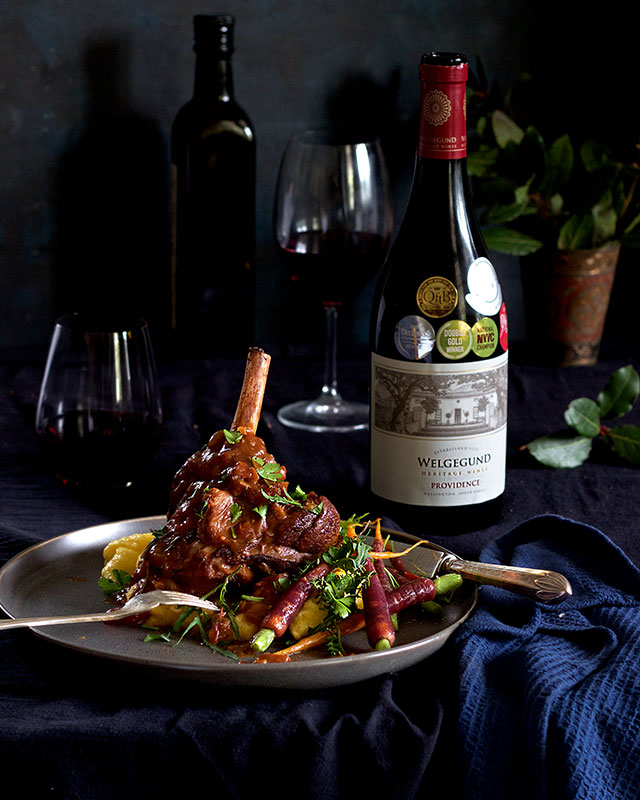
Serving this winter ragu with pappardelle is my all-time favourite, but this sauce pairs beautifully with any variety of pasta, gnocchi, polenta, or even mashed potatoes . Enjoy with a glass of bodied red wine and crusted bread!
I cannot wait for you to try this Winter Venison Ragù recipe! It’s low-effort, high-reward goodness, & you’ll be stunned by its restaurant-worthy flavour. I am pretty sure you’re going to love it just as much as I do.- Aldalene
“The silence of the desert and the blanket of stars above during winter in the Kalahari are a humbling reminder of nature’s vastness and beauty.”– Unknown
As the sun begins its slow descent towards the horizon, casting longer shadows across the red sands of the Kalahari, a whisper of change stirs in the air. The relentless heat of the day begins to yield, offering a fleeting respite to man and animal. It was a hot dry summer. In the distance, the camel thorn trees stand watch against the horizon…even they seem to sense the changing season, their branches rustling softly in the gathering south wind.
At nightfall, the sky transforms into a canvas of breathtaking beauty. Stars emerge one by one, their twinkling lights piercing the darkness. In the quiet of the desert night, one can almost hear the whispers of winter approaching. It is a subtle shift, imperceptible to all but those attuned to the rhythms of the land.
Fires crackle to life, warm blankets are carefully unwrapped as we prepare for the winter. The secrets of winter recipes are unearthed from dusty cookbooks and cherished family traditions. Fragrant spices are measured out with care, infusing the air with the promise of hearty stews and steaming bowls of comfort. Yes, it is time for hearty stews, winter comfort food and slow cooking…
Join me in my Kalahari kitchen today as we cook this easy recipe. This is more than just a meal; it is a celebration of warmth, togetherness, and the simple joys of good food shared with loved ones.