When Times Are Uncertain, Gather Around the Table

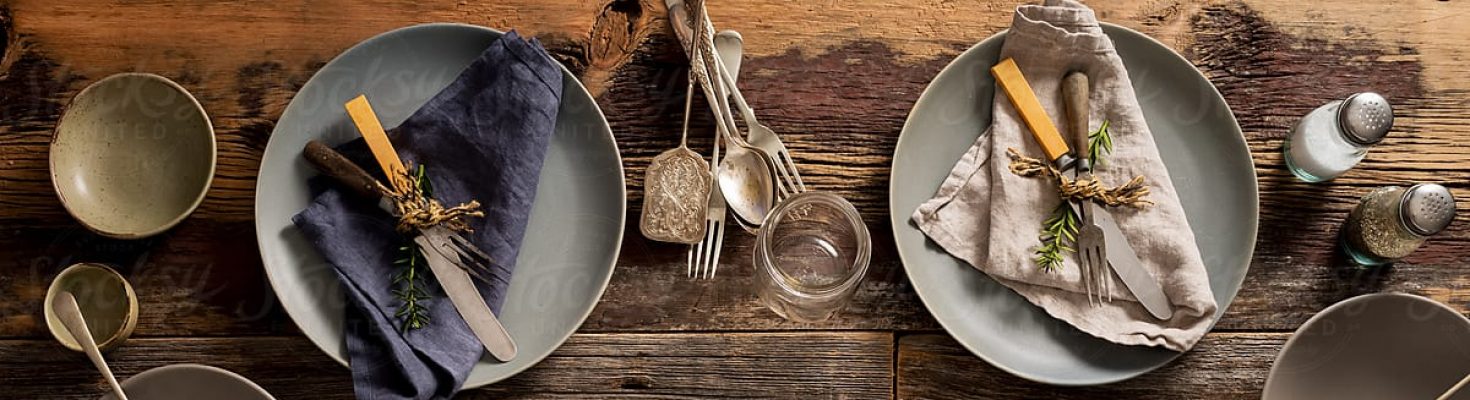
Rustic table with plates, cutlery, tomatoes, and lemon beneath a tree

It is a difficult season in Namibia.

We have recently been reminded just how vulnerable we are to the things we cannot control. Foot-and-mouth disease has returned to our country after more than 60 years, bringing worry to farmers and everyone whose lives are connected to cattle, farming and the movement of livestock and meat. For many of us, it is not simply about animals or exports—it is about livelihoods, families and the future of our farms.

And then there is the rain.

We watch the skies, listen to the forecasts and wonder what the season ahead will bring. There is talk of El Niño and the possibility of a dry year, and here in Namibia, we know what that can mean. Rain is never just rain to us. It is hope. It is life.

Whether we live on a farm or in town, we are all connected to it in some way.

These are the things that have been on my heart as I sit on my Kalahari porch. There is so much we cannot control, and if I am honest, there are days when I find myself wrestling with it all.

Wrestling with the uncertainty.
Wrestling with what tomorrow may bring.

And yet, in the stillness, I am reminded of His goodness.

His faithfulness.

His presence.

I am reminded that sometimes faith isn’t about having all the answers. Sometimes it is simply about being still.

Be still, and know that I am God. — Psalm 46:10

Be still.

Not because there is nothing to worry about,
but because He is God.


He is faithful.
He is present.
He is enough.

And so, as I sit here looking out across the Kalahari, I choose to remember that we are not carrying this alone.

God is our refuge and strength, always ready to help in times of trouble. — Psalm 46:1

We may face difficult days.
The future may feel uncertain.

But God is not. He is ever-present

So today, I will be still.

I will trust.

And I will remember that the God who has carried us through every season before is still with us now—faithful, present, and holding us through this one too.

Be still, and know that He is God.

And perhaps on difficult days, there is something comforting about coming back to the simple things we can still do: gathering around a table, sharing food, and making time for the people we love.

There is something deeply comforting about a meal that takes its time.

A pot simmering slowly in the oven. The aroma of garlic, tomatoes and herbs filling the kitchen. Tender meat falling from the bone. Orzo soaking up all those beautiful flavours, finished with creamy feta, fresh basil and a squeeze of lemon.

Today, I am cooking slow-cooked Greek lamb shanks with orzo.

It is hearty, generous and unhurried—the kind of food that asks you to slow down and linger a little longer around the table.

And perhaps that is what I need right now.

To slow down.

To give thanks for what we have.

To share a meal.

And to remember that even in uncertain times, there is still goodness to be found in the ordinary moments.

And a faithful God beside us through it all.

With love from My Kalahari Kitchen, Aldalene


The Abundance of Simple Things: Spinach Pesto from my Kalahari Garden

A basket of fresh spinach leaves, with a wooden table featuring a bowl of assorted nuts, two halved lemons, whole garlic bulbs, and a sprig of parsley. A small jar of olive oil and a lemon juicer are also present.


If someone had told me 20 years ago that one day I would be living off the land (and that in the Kalahari!), I would probably have laughed.
Me? A city girl?

The girl who loved wandering through beautiful food markets and boutique food stores, discovering new flavours, browsing shelves filled with wonderful delicacies and bringing home something new and delicious.


And yet, here I am.
Making my own yoghurt.
Baking sourdough bread.
Working with our own meat.
Growing what we can.


Life in the Kalahari has slowly taught me something I never expected to learn: there is a particular kind of joy in using what the land gives you.
It isn’t about doing everything yourself or living without the conveniences I once loved. I still appreciate a beautiful deli and browsing through an European food market.


But there is something deeply satisfying about looking at what the land provides and asking, “What can I create with this?”
A handful of spinach becomes a vibrant pesto.
Fresh milk is transformed into creamy yoghurt or homemade cheese.
Flour, water and time come together to create sourdough bread.
And the harvest from the land becomes beautiful food shared around our family table.

Simplicity is the ultimate sophistication.- Leonardo da Vinci


There is pleasure in the making, but even more than that, there is a deep contentment.
Perhaps it is because you begin to understand abundance differently.
Abundance is not always found in having more. Sometimes it is found in appreciating what is already in your hands. There is a quiet richness in simplicity — in having enough, and being deeply thankful for it.


The words from Psalm 65:11–12 keep coming back to me:

“You crown the year with your bounty,
and your carts overflow with abundance.
The grasslands of the wilderness overflow;
the hills are clothed with gladness.”


Living here in the Kalahari has made these words feel less like something I read and more like something I see. Something I feel. Something I taste.


My heart is full.
Not because life is perfect, but because I have learned to notice the gifts that are right in front of me.
And today, one of those gifts became spinach pesto.When the spinach is growing faster than we can gather it, this vibrant pesto is one of my favourite ways to preserve the harvest. It is fresh, full of flavour, and endlessly versatile. Toss it through warm pasta, spread it on toasted sourdough, spoon it over grilled springbok fillet, or swirl it into soup for an instant burst of colour and flavour.


Simple. Green. Fresh. And, like so many things in this life, completely unexpected.
Sometimes the wilderness really does overflow with abundance. (Recipe on page 2)

With love, Aldalene


When Winter Whispers and Tastes Like Lemon

A wooden board featuring several bowls of lemon dessert topped with lemon slices and powdered sugar, alongside fresh lemons and leaves.

Winter has settled gently over the Kalahari.

Wrapped in a warm blanket, with a steaming cup of coffee in my hands, my Bible open on my lap and my journal beside me, I settle onto the porch as the first light breaks across the Kalahari savannah. The air is crisp enough to sting my cheeks, yet there is something about a Kalahari winter that embraces you like a well-worn fleece blanket—quiet, comforting and deeply restorative.

The men have already left. Just before sunrise, rifles slung over their shoulders, they headed out in search of an old kudu bull. The house is unusually still. It’s my favourite kind of silence—the kind that allows you to hear the whisper of God’s voice.

I breathe deeply. The cold morning air carries the unmistakable fragrance of freshly picked lemons. An earthenware pot on the kitchen table is overflowing with bright yellow fruit from my mother-in-law’s little tree, a splash of sunshine against the muted colours of winter.

This morning I find myself in Galatians 6.

“Do not be deceived: God is not mocked, for whatever one sows, that will he also reap. The one who sows to please the flesh will reap destruction from the flesh, but the one who sows to the Spirit will reap eternal life from the Spirit. Let us not grow weary of doing good, for at the proper time we will reap a harvest if we do not give up. Therefore, as we have opportunity, let us do good to all people.”
Galatians 6:7–10

Those words linger in my heart.

The harvest we receive is always of the same nature as the seed we sow.

How often we long for different fruit in our lives. We pray for peace, yet sow impatience. We desire strong relationships, yet plant criticism. We long for joy, but scatter seeds of worry. We hope for kindness, yet our words can so easily wound.

God’s principle is beautifully simple.

If we long to harvest love, we must sow love.

If we desire peace, we must become peacemakers.

If we long for joyful homes, faithful friendships and hearts full of grace, then those are the very seeds we must faithfully scatter every single day.

And perhaps the hardest encouragement of all is this: do not grow weary.

Seeds spend a long time hidden beneath the soil before anyone sees the harvest. Yet beneath the surface, God is already at work.

Winter teaches us this so well.

The trees appear bare. The veld seems quiet. But life is quietly preparing for the season to come.

With those thoughts still turning in my heart, I carry an armfull of fragrant lemons into the kitchen.

Today these beautiful winter fruits will become one of my favourite comforting desserts—a Self-Saucing Lemon Pudding. Light as a soufflé on top, with a silky lemon sauce waiting underneath, it’s the perfect way to welcome hungry hunters home after a cold day in the veld.

As the pudding bakes, the whole house fills with the scent of warm butter and fresh lemons. Soon the quiet will be broken by dusty boots on the porch, stories of kudu tracks, and laughter around the table.

And perhaps that’s another reminder that some of life’s sweetest harvests are found not only in what we grow—but in what we lovingly share.

May we all sow seeds that one day become a harvest of faith, kindness, joy and love.

Because in God’s perfect time, we always reap what we sow.

With love from my Kalahari kitchen, Aldalene


Autumn in my Kalahari Kitchen: A Season of Slower Days and Decadent Desserts

A rich chocolate cupcake with chocolate sauce and shavings served in a dark bowl, accompanied by a silver spoon on a rustic wooden table.

Winter has arrived early in the Kalahari.
Mornings are crisp and clear. Golden grass catches the morning dew as the first light breaks through the cold blue sky of dawn. The men drive out at first light, full of anticipation for what the Kalahari bush may offer on a morning like this.


I wrap my fingers around a warm cup of coffee, breathing in the silence and stillness that only an early winter morning can bring. In these quiet moments, I’m reminded of the beautiful scripture: “His mercies are new every morning; great is Your faithfulness.”

His [tender] compassions fail not. They are new every morning; great and abundant is Your stability and faithfulness.

– Lamentations 3:22-23 AMP


What a gentle reminder as seasons change and life shifts around us. Children grow up, head off to college, and begin exploring faraway places and new horizons. Yet through every season, His love remains new. He remains faithful.

I love this time of year — autumn slowly giving way to winter. The days grow shorter, the mornings colder, and life seems to soften into a slower rhythm. There is space to pause, reflect, and appreciate the quiet beauty of the season. Pots simmer a little longer on the stove, baked desserts fill the kitchen with warmth, and rich flavours are shared with family and guests gathered around the table.


With a quiet sense of peace, I head to the kitchen in search of a family favourite dessert — one that feels just right for this time of year. Tonight, it’s malva pudding with a Kalahari twist: a rich chocolate version of a traditional recipe, drenched in a thick chocolate sauce with a touch of coffee liqueur. The perfect ending to dinner shared around the fire under a blanket of stars.


Yes, my Kalahari Kitchen is about celebrating the beauty of each season, finding joy in simple moments, and creating food that feels like home in the heart of the Kalahari. For food is more than a recipe — it is memory, season, and place. This pudding brings all of that together in one spoonful: comfort, nostalgia, and a little indulgence for the colder months when life slows down and gathers inward.- Aldalene

Recipe on next page


Embracing Sacred Spaces: A Kalahari Journey (and some pie)

We are back in the Kalahari after a blessed Easter weekend spent with our children. The season is slowing changing. Mornings arrive gently, unhurried, as soft rain clouds gather and drift across the green savannah on the Kalahari. The landscape seems to breathe more slowly now. Even time feels less insistent.


By late afternoon, the sky begins its quiet transformation — muted golds deepening into burnt orange and soft reds. Autumn reveals itself not in sudden change, but in layered colour: in the fading light across the grasslands, in the long shadows stretching over the earth, in the hush that settles before evening.

As I sit and watch a storm forming in the distance, slowly moving across the open landscape, I am reminded of something I read in a devotional by Lysa TerKeurst. Yes, I always want to fill in the blanks, have all the answers, and find solutions quickly. But without the blanks in my life, I leave Him no room to enter and write His answers.


He does not make mistakes. He purposes the gaps.


And this thought lingers with me — not as something fleeting, but something that settles deeply in my heart.

He allows sacred spaces. Blank places. He leaves room.


And perhaps that is what these Kalahari afternoons are teaching me too. There is a particular kind of stillness here — one that cannot be manufactured or rushed. The wind moves slowly across the open land, the horizon stretches endlessly, and even the rain seem to pause before it arrives.


In these pauses, life feels uncluttered. Honest. Spacious.Sacred.


It is here, in the quiet in-between, that I find myself drawn to simple rituals. A pot of tea. A well-worn plate. Something sweet from the oven, made not in haste, but in rhythm with the land.

So, make this quick coconut pie with me. Brew your cup of tea, grab your journal, and sit with me. Allow the gaps. It is sacred spaces.

– Aldalene